A Day at Tainan’s National Museum of Taiwan History
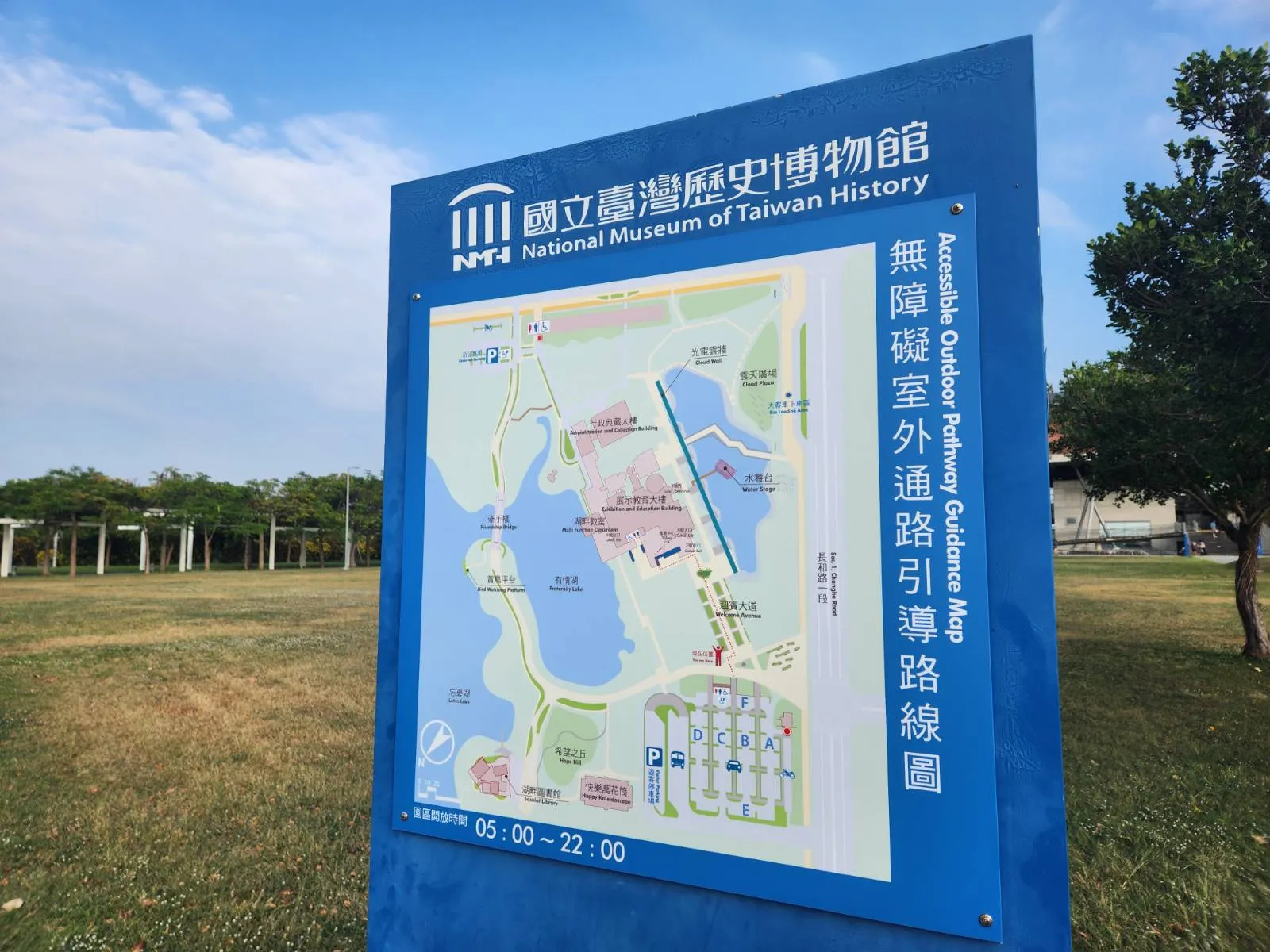
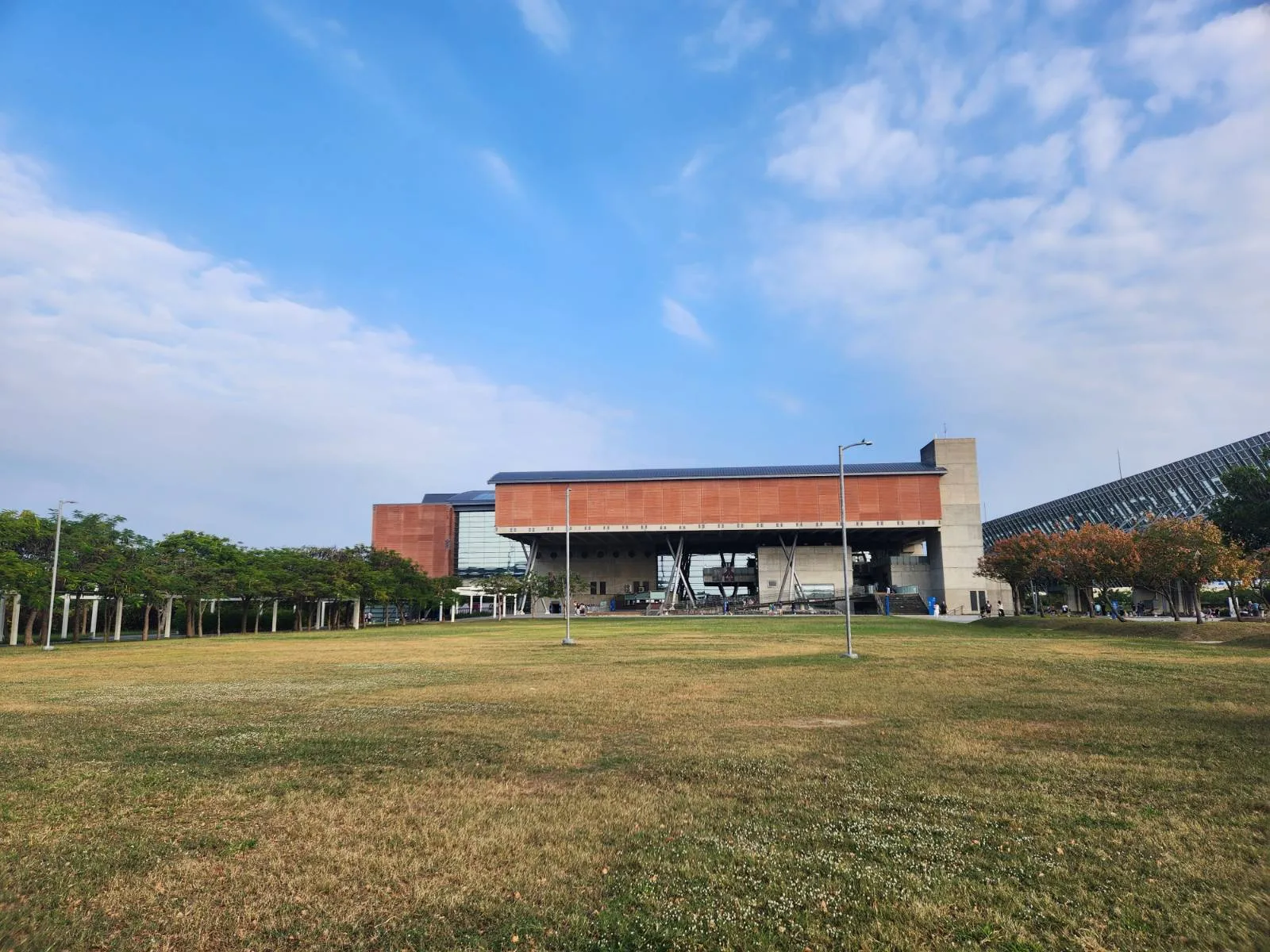
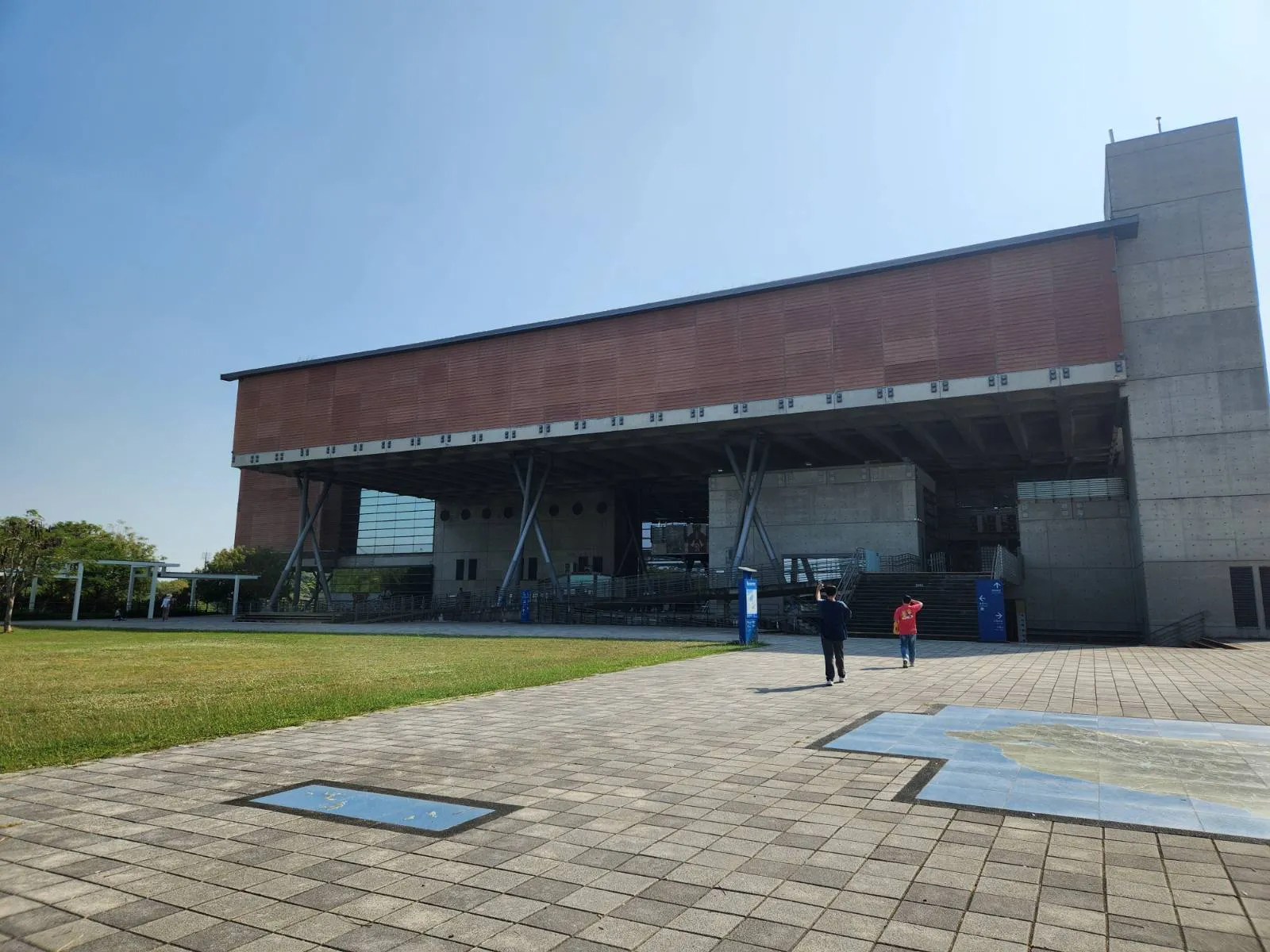
Last Saturday, we took a day trip to the National Museum of Taiwan History (國立臺灣歷史博物館) in Tainan’s Annan District. (It’s not to be confused with the museums in Taipei with similar names.) This was my third visit, and it still felt fresh. The first time, I went on my own, at my own pace. The second time, I went with a Taiwan-based Swedish researcher. This time, I invited an international graduate student from Kaohsiung to join me.
The Guided Tour on Taiwan’s Past
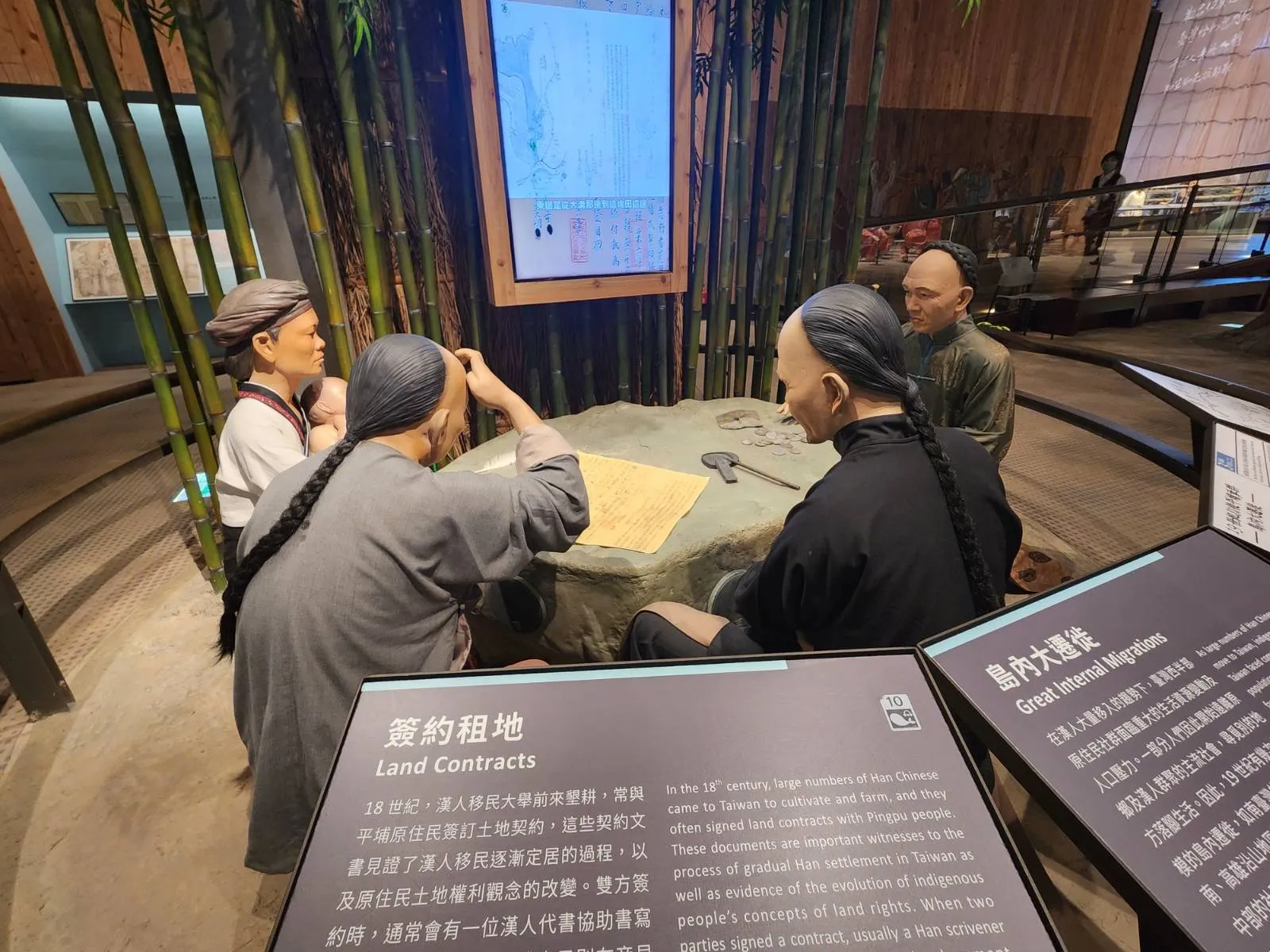
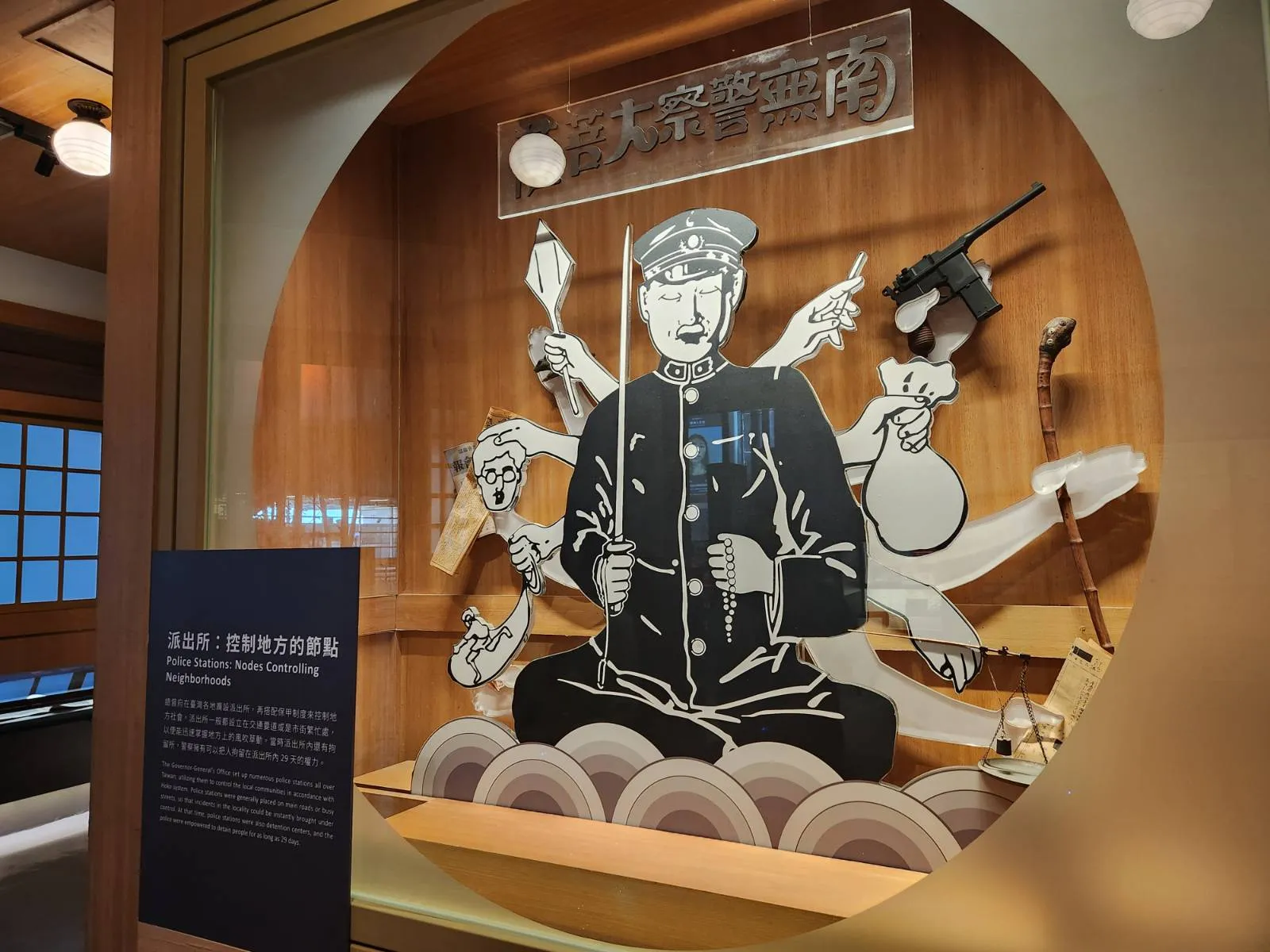
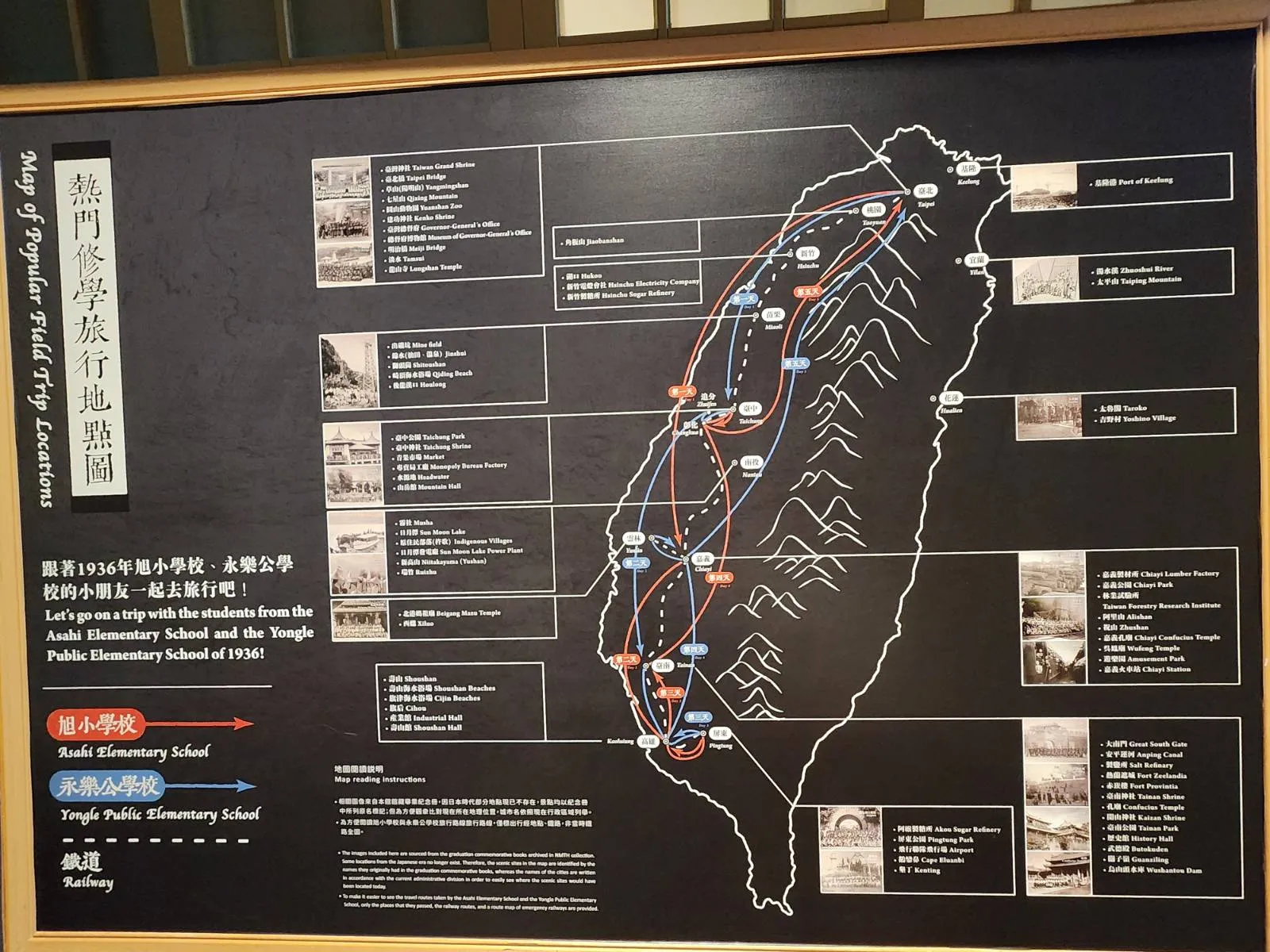
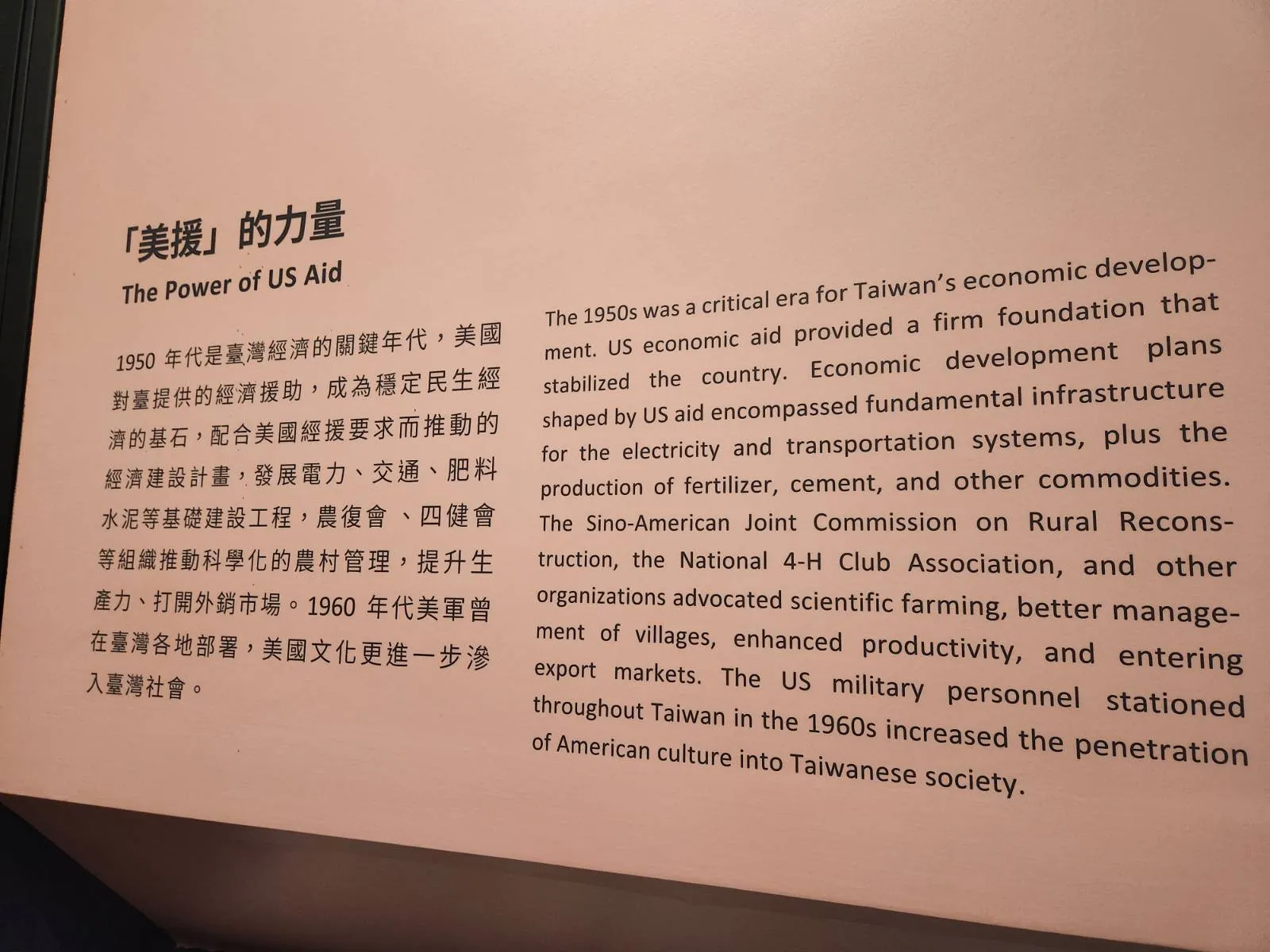
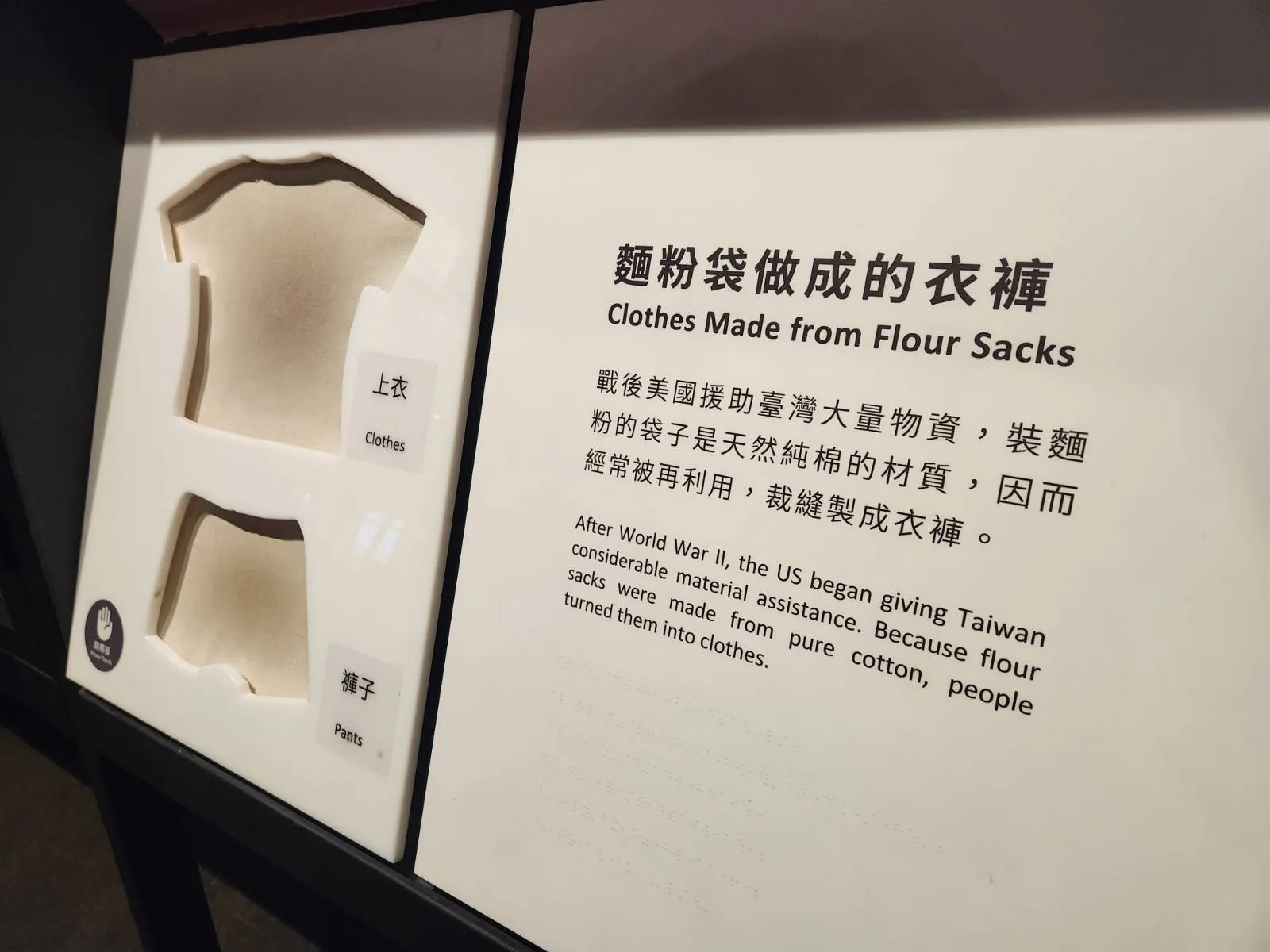
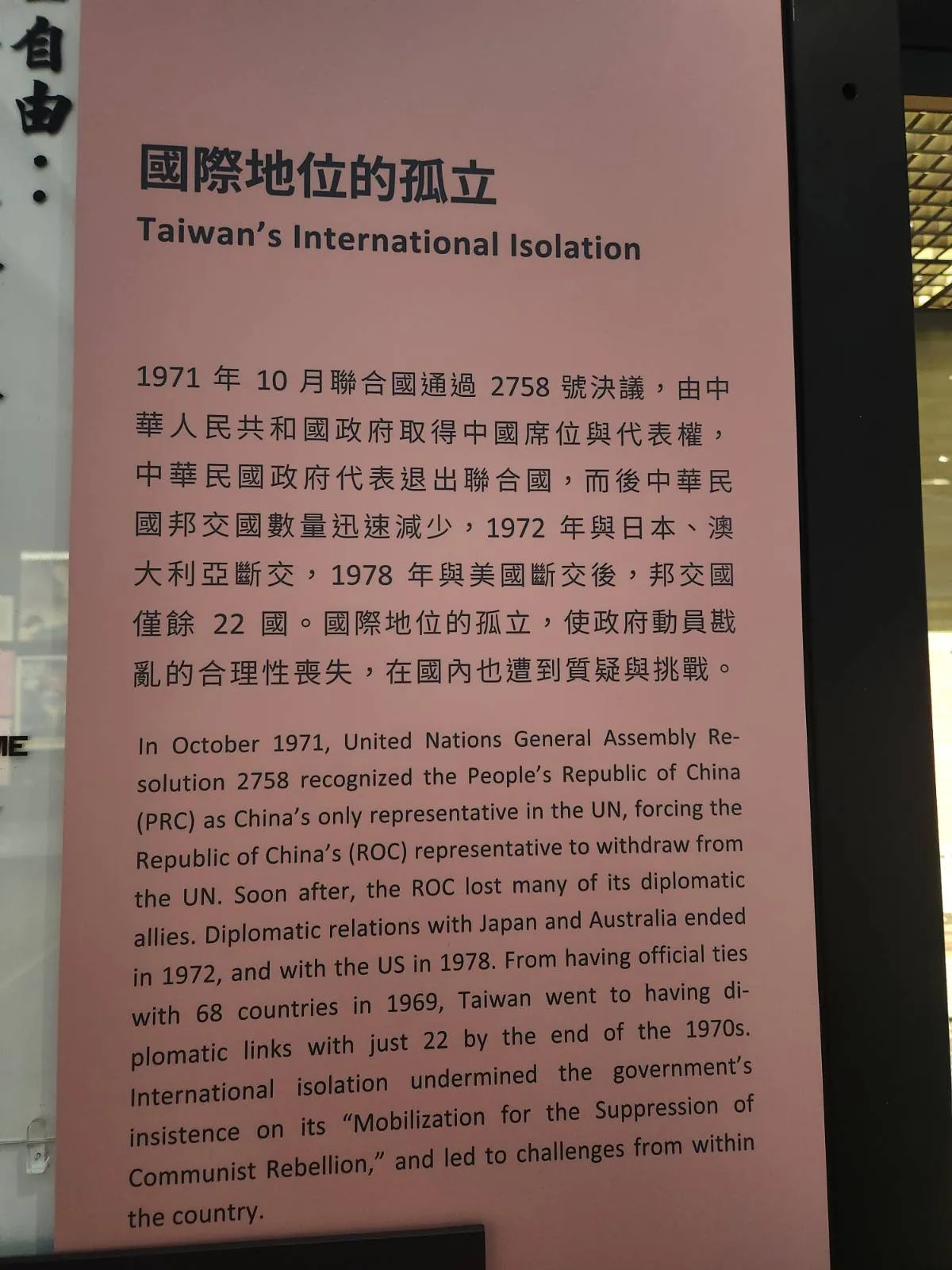
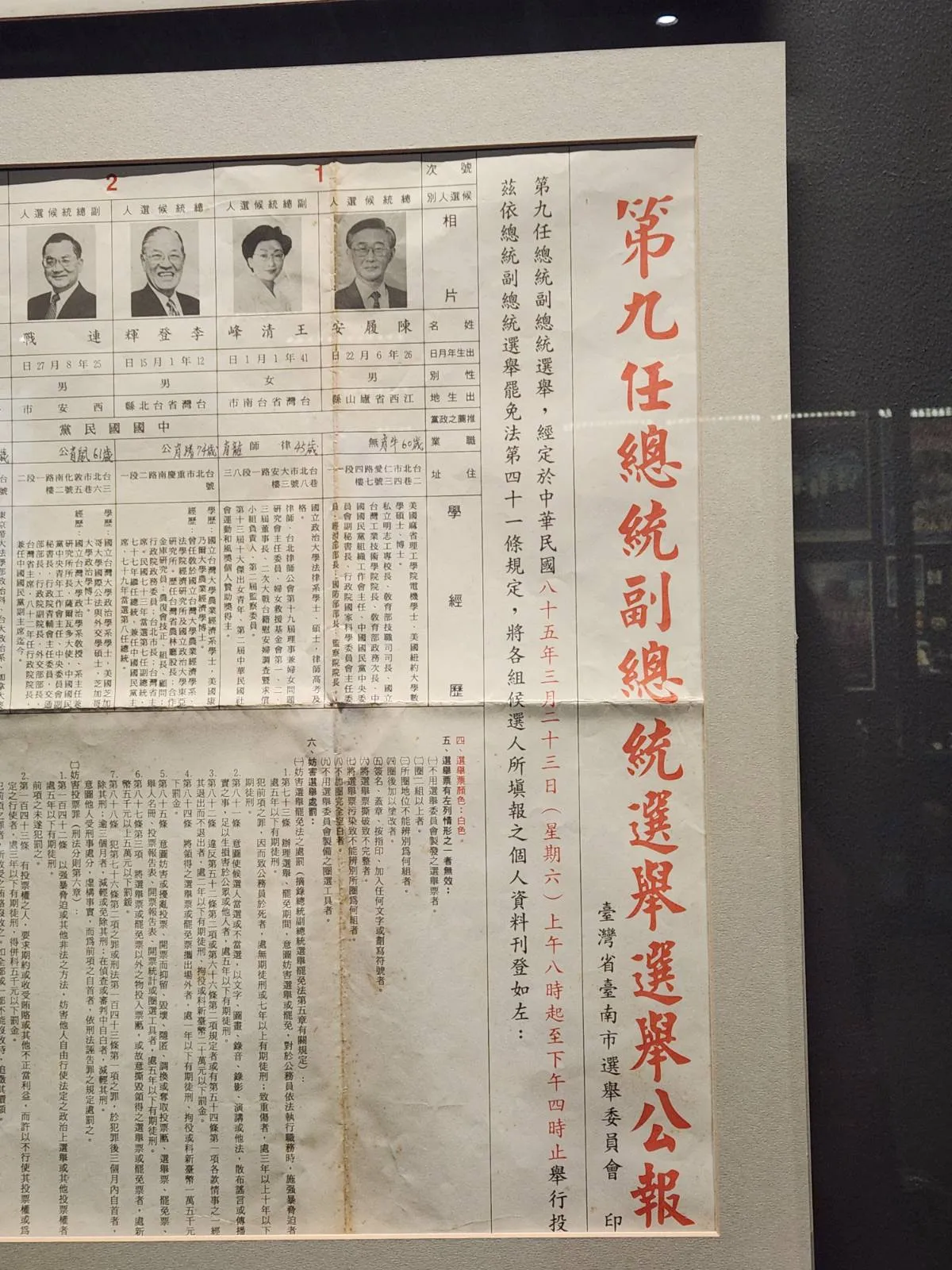
We joined the Mandarin-language guided tour of the 2F permanent exhibition, Our Land, Our People: The Story of Taiwan, which ran for 90 minutes, from 10:30 to 12:00. I’m glad we did. Our guide was enthusiastic and clearly loved the material, and that energy made hundreds of years of history feel like a story being told to us rather than a list of dates. We heard about the island’s different ethnic groups and how they met, traded, clashed and learned to live together.
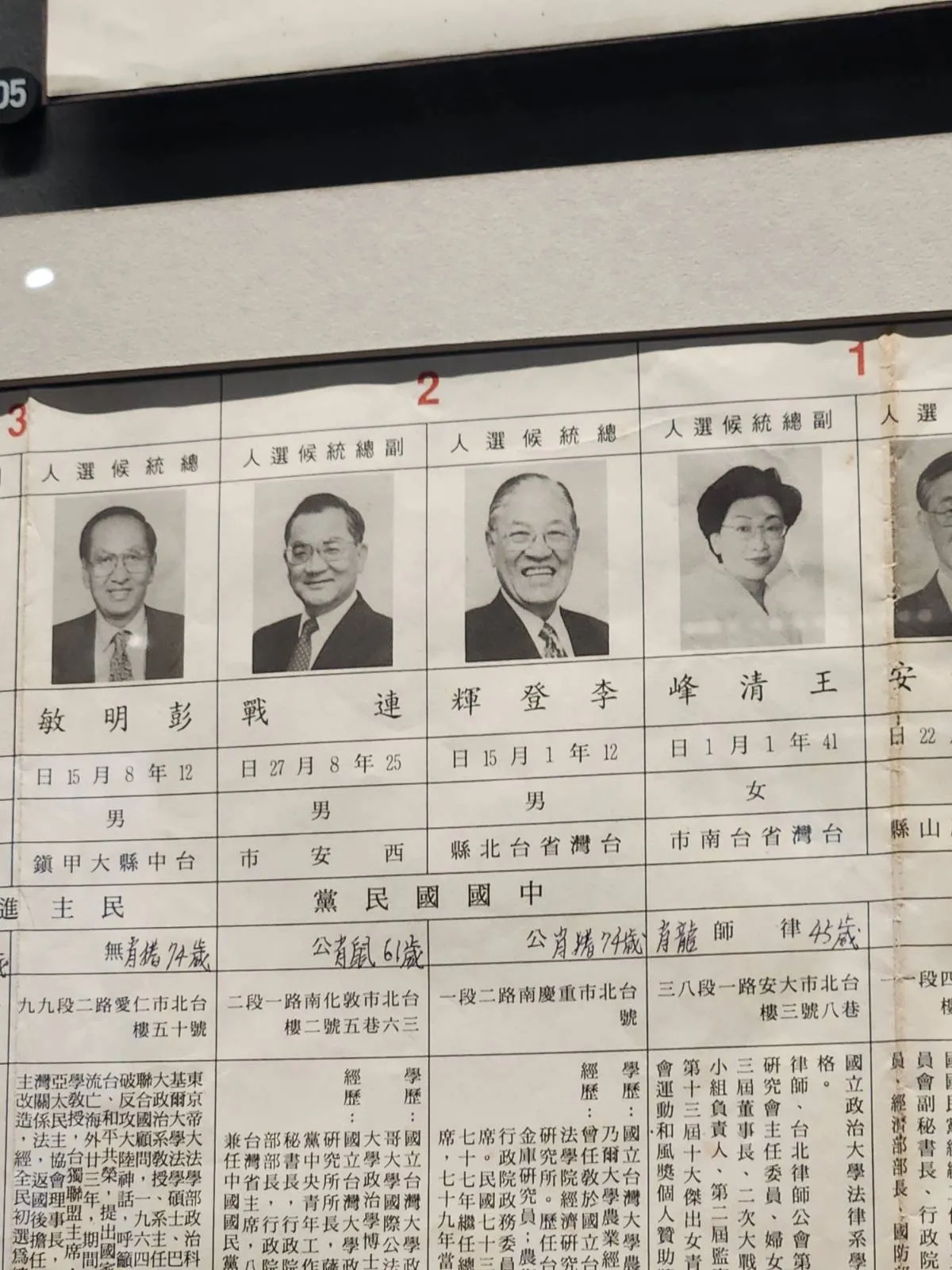
Our guide showed us a map of the boundary between indigenous peoples and Han Chinese. It’s a scroll of about 9.5 meters, painted in the style of a traditional landscape, and it dates to the late 1700s. The Qing government marked boundary lines along the western foothills, with guard huts and earthen mounds, to keep Han settlers and indigenous peoples apart.
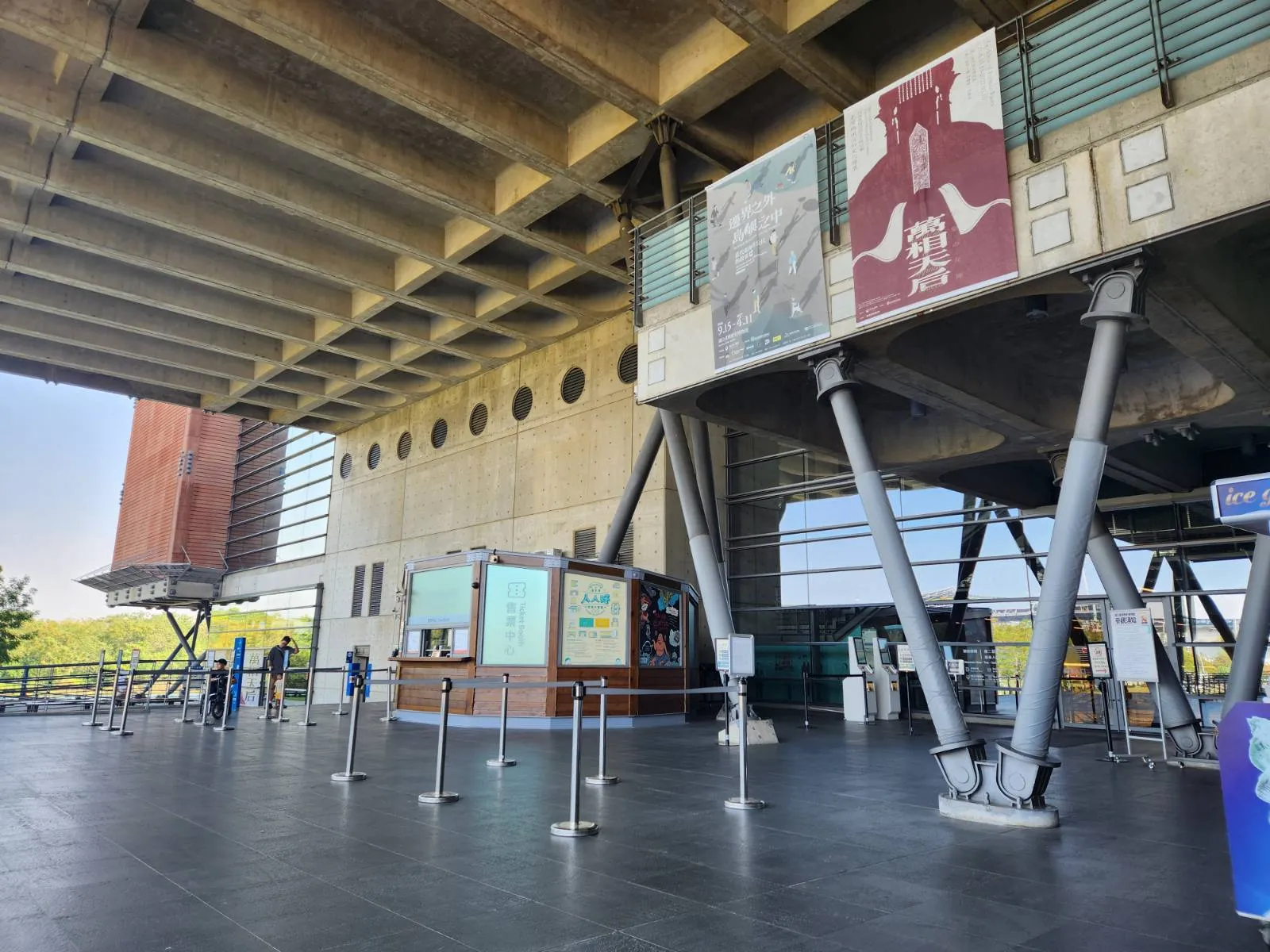
After the tour we went to grab a bite at the restaurant right by the museum’s front entrance. We had simple rice meals and a pot of Taiwan’s Jin Xuan tea and a pot of milk tea. It was a relaxing pause before heading back in.
Two Special Exhibitions
After lunch, we went back into the building and up to the 4F special exhibition floor.
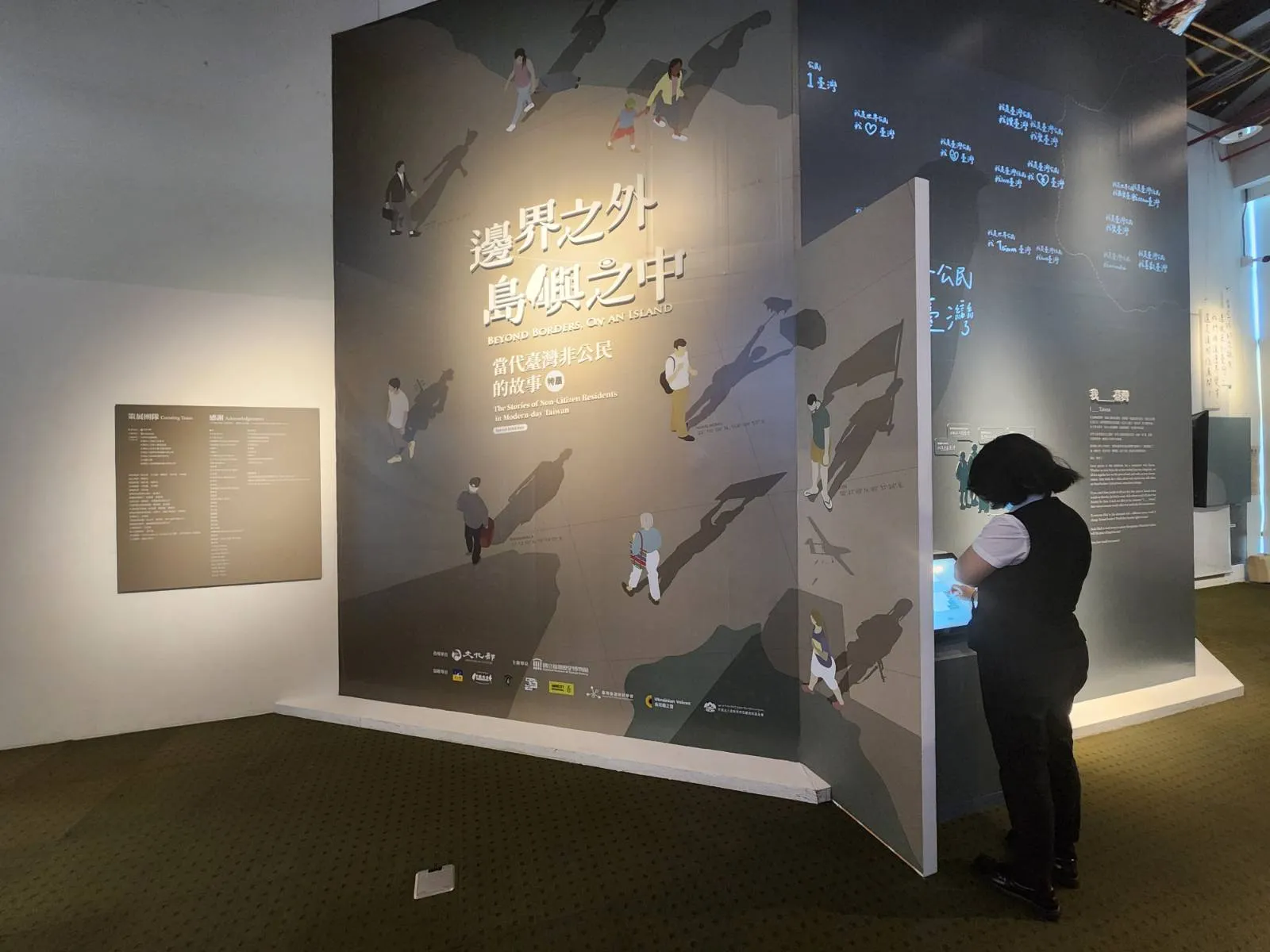
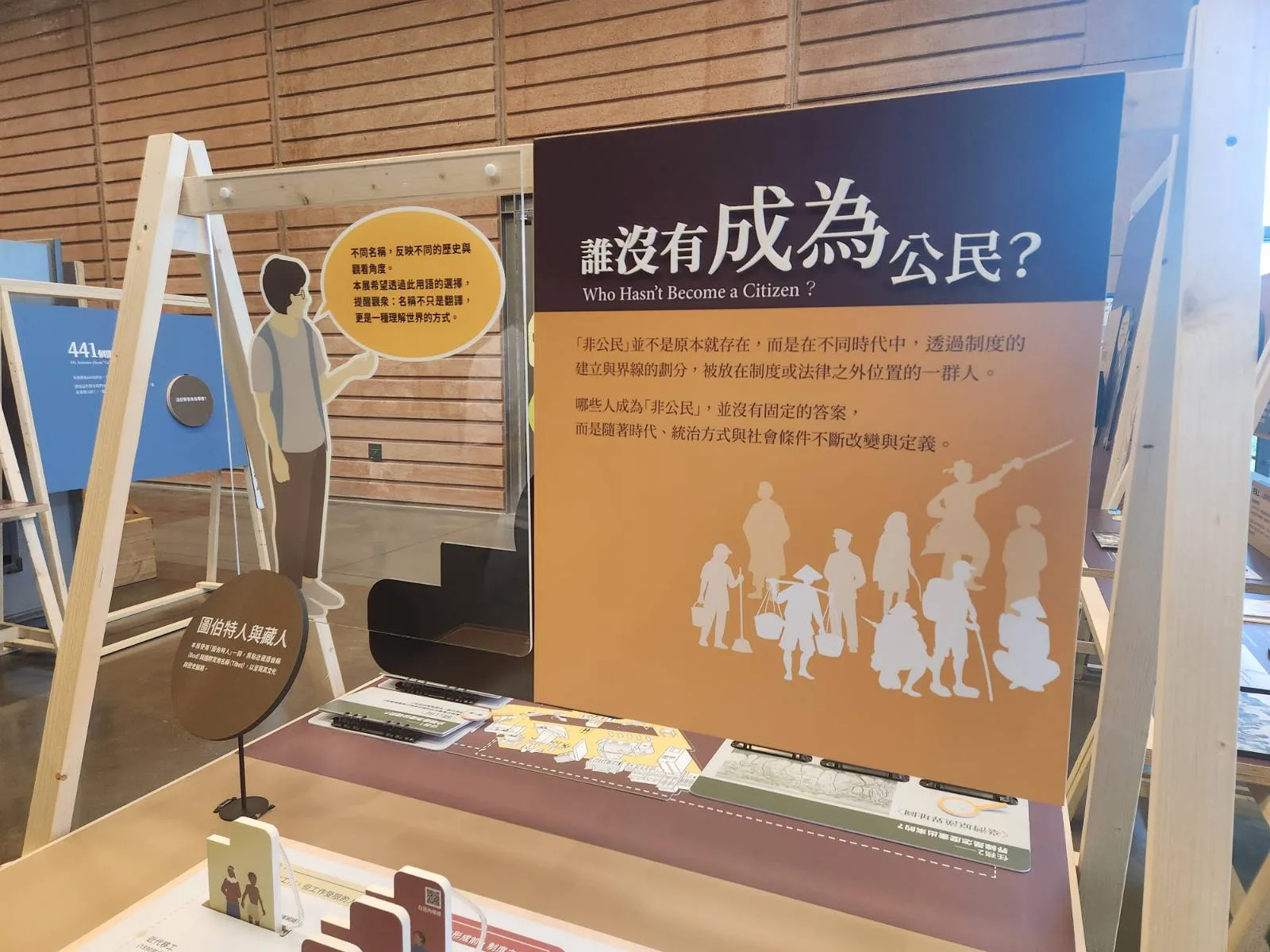
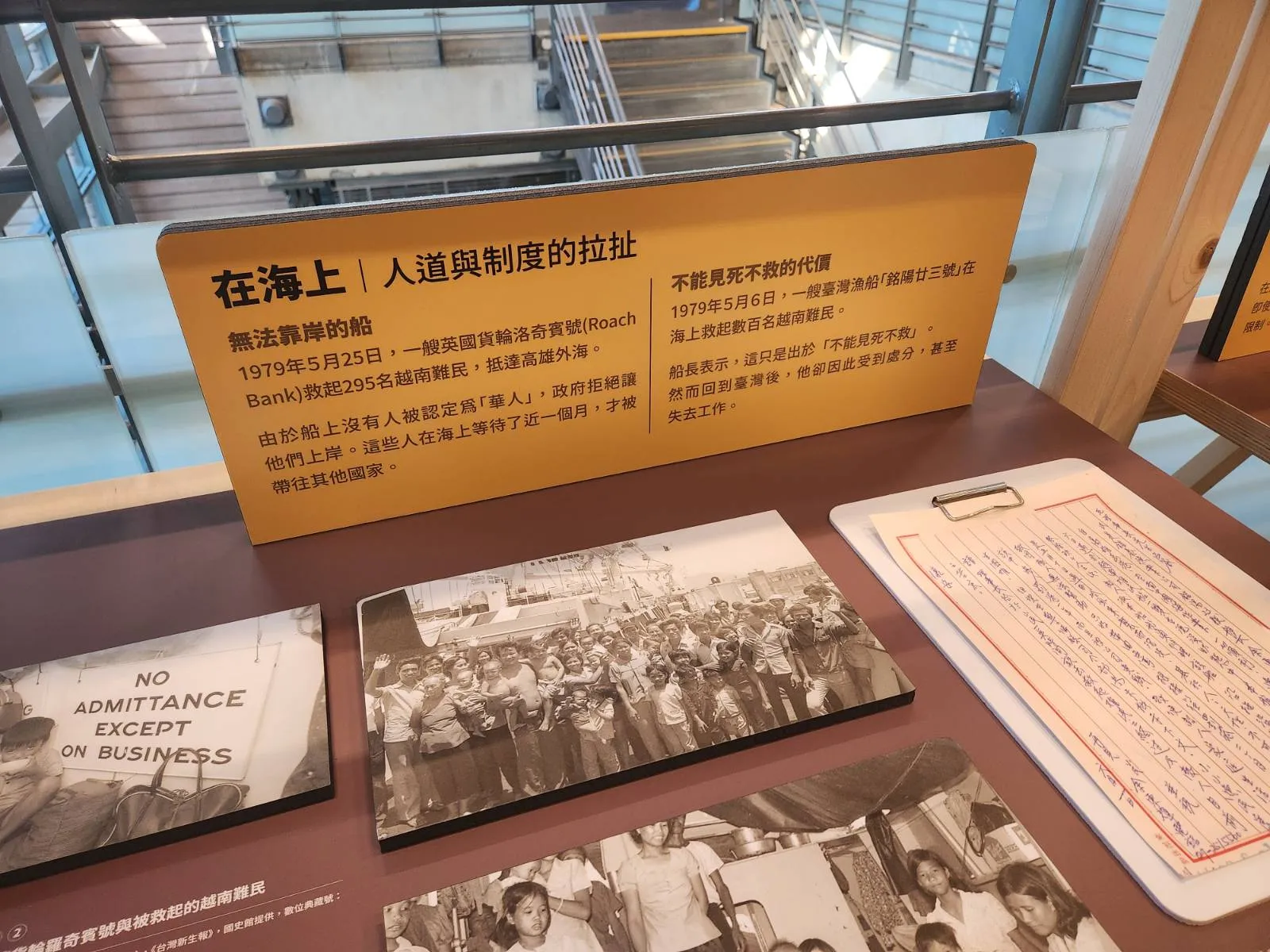
Beyond Borders, On an Island: The Stories of Non-Citizen Residents in Modern-day Taiwan
This exhibition looks at people who live in Taiwan without being recognized as citizens by any country, or whose home countries can’t protect them because of politics, war, or legal barriers. It traces the idea back through Taiwan’s history, then focuses on the stories of people who came from Tibet, Myanmar, Hong Kong, and Ukraine.
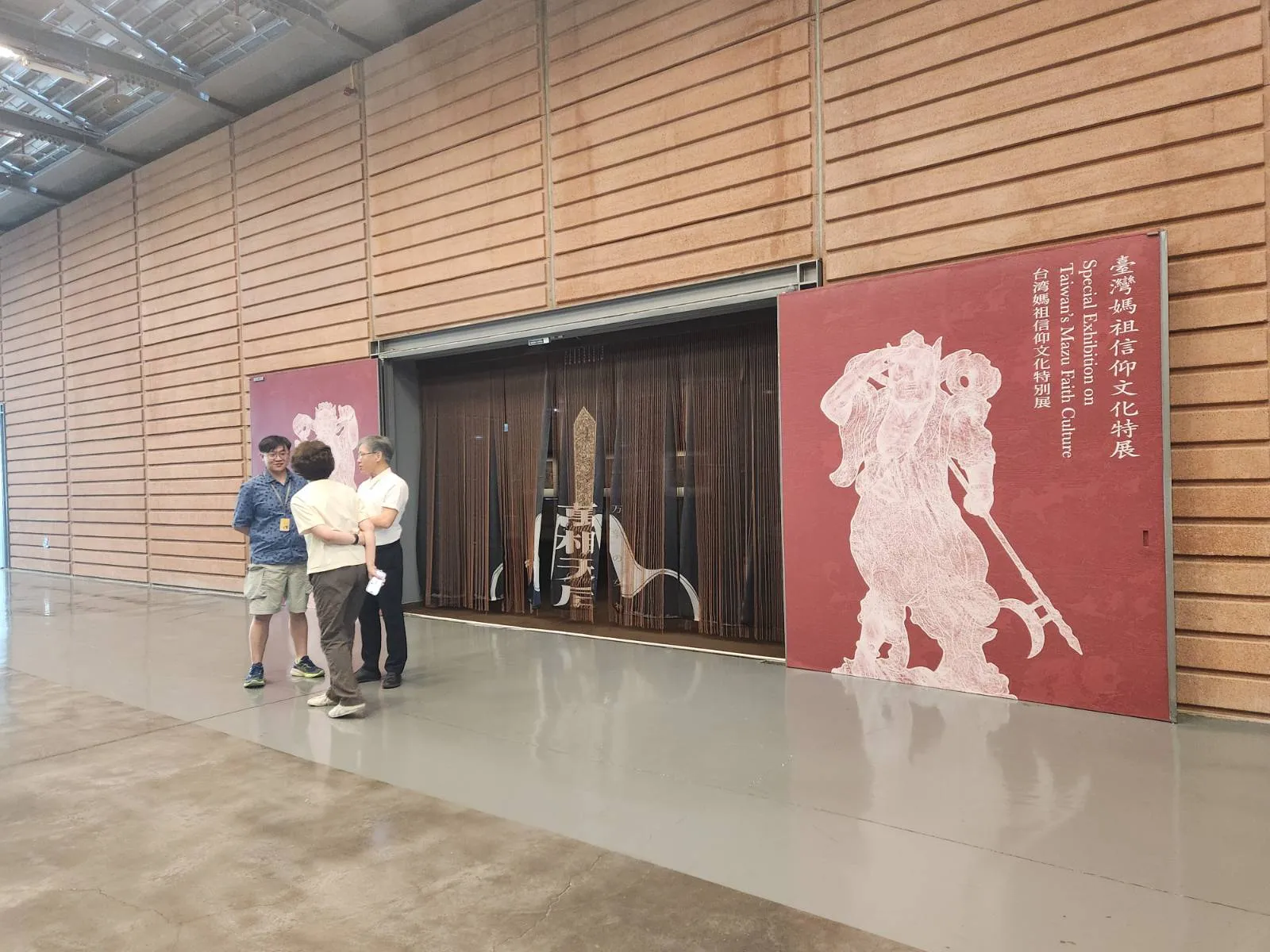
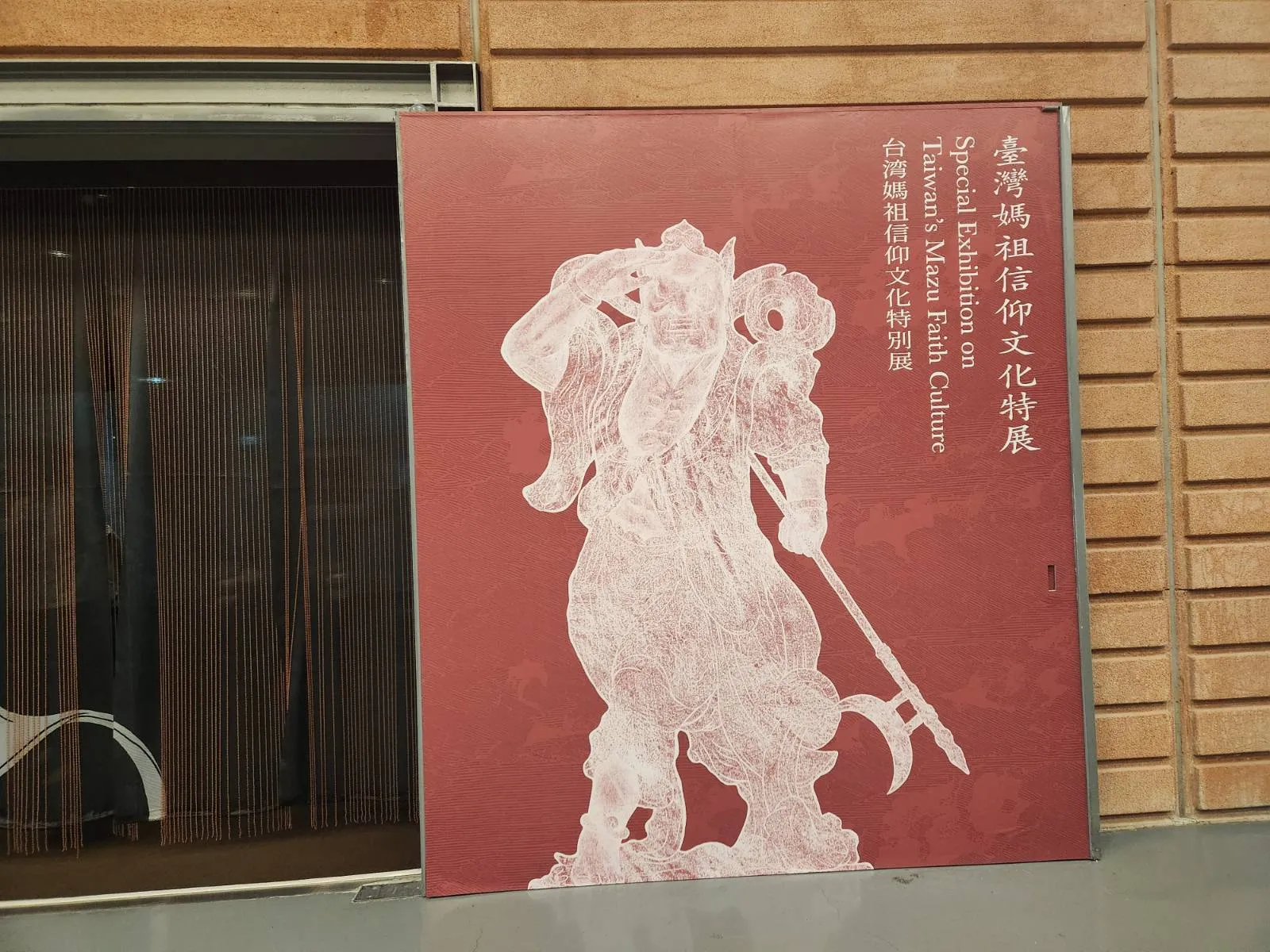
Goddess of Infinite Faces: Special Exhibition on Taiwan’s Mazu Faith Culture
We also visited another special exhibition on Mazu culture. Mazu is one of the best-known deities in Taiwan’s folk religion, and this exhibition explores how her image has been shaped and reshaped over time.
Unfortunately, I know very little about Mazu, because I grew up in a Christian church, reading the King James Bible and the Chinese Union Version (和合本) in Mandarin. I grew up reciting those verses, and some of them I still know by heart, such as the Lord’s Prayer in Taiwanese, Mandarin, and English. In fact, I learned it in that order: first Taiwanese, then Mandarin, then English. In high school, I spent time with a group of Americans doing church outreach programs in Taiwan. In college, I was obsessed with C. S. Lewis’s writings on Christianity, including Mere Christianity. Later, cognitive science caught my attention for a while, before I shifted my focus to computer science and management. Now I’m studying European studies, political science, and international affairs.
Compared with the average Taiwanese adult, my knowledge of Mazu and of Taiwan’s traditional Daoist and Buddhist practices is shockingly limited. I have never been to a temple to “worship the gods” as a cultural act, such as offering incense or making donations, and I still haven’t to this day. I simply don’t know how to do it, because no one has ever shown me.
That’s partly why this exhibition drew me in. When I walked into the exhibition room, which was kept cool by air conditioning, the first thing to greet me was the series of Mazu Miracle Paintings from the Rijksmuseum in the Netherlands. The Rijksmuseum is one of the most interesting museums I’ve visited in Europe, so it was nice to see some of its paintings again, this time in Taiwan.
These paintings each illustrate a story of Mazu appearing to protect people at sea or in times of danger. One in particular caught my attention. It depicts Mazu appearing in the clouds, according to legend, to protect the troops. My overall impression was that the paintings reflect how people facing the dangers of the sea turned to faith for safety. I also learned more about the rituals around her.
Final Thoughts
The permanent exhibition stays the same, but the special exhibitions rotate, the guide’s stories bring different things to the surface, and every companion sees it differently. I do think the museum could do more to reach international visitors. All of this content is valuable, and the stories it tells are rich enough to interest anyone curious about Taiwan. But a visitor who doesn’t read Mandarin Chinese will miss much of it. I feel like the guided tours, introductory boards, signs, and historical texts could use more detailed English translations. More English guided tours and clearer English instructions would make the museum much more welcoming to visitors from abroad, including international students and researchers living in Taiwan, like my guests.
I also believe the museum should position itself as an international destination. Many locals may prefer other kinds of museums over ones focused on Taiwan’s history, whereas international visitors are likely to want to see an important museum about Taiwan’s history. That perspective deserves more attention. The museum’s efforts could focus on introducing and presenting itself to the world, making more English available, and making transportation and logistics easier for visitors.